Commercial Waste in Chiswick for practical, compliant business clearances

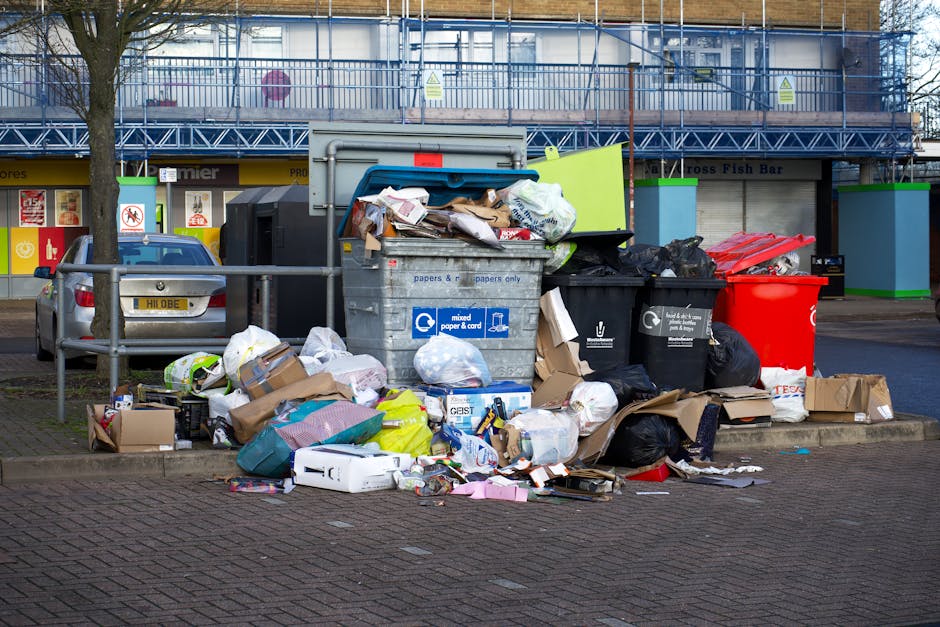
Commercial waste in Chiswick needs to be handled with care, consistency and a clear understanding of what different business premises actually produce. We provide a straightforward clearance service for offices, shops, studios, hospitality spaces and other workplaces that need mixed non-hazardous waste removed without disrupting the day’s operations. The emphasis is on removing rubbish efficiently, separating recyclable material where appropriate and keeping the process simple for the customer.
Our service is built around the kind of waste that businesses regularly need taken away: packaging, office furnishings, broken fittings, end-of-use stock, light fixtures, general rubbish and other bulky items that should not be left to accumulate on site. For customers who want to compare the scope of the work with related options, the business waste removal page is a useful place to start, while the waste removal page covers the wider disposal service we offer.
To arrange a quotation, it helps to know what needs removing, where it is stored and whether the load includes any items that need separate handling. A brief description is usually enough to begin, and if the job involves different materials or awkward access, the details simply help us shape the right collection plan. Tell us what needs clearing, and we can respond with the next step.
Business clearances for offices, retail units and workrooms
Commercial properties often generate a wider mix of waste than domestic homes, because the same premises may hold furniture, paper, packaging, promotional material, shelving and stock all at once. A well-planned clearance reduces the chance of usable material being mixed with general rubbish and makes it easier to remove items in an orderly way. We can manage routine clear-outs as well as one-off jobs where a business needs a space made ready for new layouts, repairs or handover.
Where office furniture and fit-out items are involved, we aim to keep the work organised around what can be lifted, loaded and taken away in a single visit. Desks, chairs, storage units, partitions and similar items often need careful sorting because some are reusable, some are recyclable and some are best treated as mixed waste. Customers comparing furniture-related disposal can also look at office clearance and furniture disposal, both of which reflect common parts of this kind of work.
In many jobs, the best starting point is simply a short inventory and a note about access. Photos can help when there are larger items or awkward stairways, but they are most useful when they show scale and quantity rather than trying to document every last piece. Clear information at the beginning supports a more accurate quote, especially if the clearance includes bulky equipment, mixed materials or items stored across several rooms.
What we can remove from commercial premises
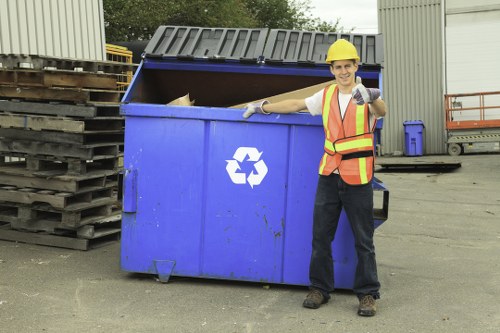
Business waste rarely arrives in one neat category, so the service needs to be flexible enough to handle different streams without confusion. Common collections may include packaging, cardboard, bagged waste, office paper, redundant display units, shelving, broken chairs, stockroom clutter and stripped-out furnishings. Where possible, material is separated so that recyclable items are not simply treated as general rubbish.
Some premises also need specialist attention for appliances or heavy household-style items that have been used on site. For example, catering rooms, staff areas and accommodation above business premises may produce fridges, freezers, mattresses or sofas that require a separate disposal route. Useful related pages include fridge and appliance removal and mattress and sofa disposal, which show the sort of items that can be handled alongside wider waste clearances.
Not every item belongs in the same load, and that matters for both handling and disposal. Hazardous or controlled material should be identified separately rather than added to a standard mixed collection. If you are unsure about anything in the pile, it is better to describe it clearly than to leave it hidden among general rubbish. That lets us judge whether it is suitable for the same collection or needs a different arrangement.
Planning a collection around access, timing and waste type
Commercial clearances are usually easier when the site layout and access points are understood in advance. Narrow staircases, locked loading areas, basement storage, shared yards and limited parking can all affect how the work is carried out. A careful plan also helps when a business needs the waste removed outside peak trading times, because it avoids unnecessary disruption and keeps staff movement around the site more manageable.
For larger clearances, it is often sensible to group waste by room or by type before the collection starts. That makes it simpler to remove bulky pieces first, then the smaller material that remains. Where there is a mix of furniture, packaging and office rubbish, grouping the load can also make reuse and recycling more practical. If your premises are being emptied in stages, the builders waste clearance page may also be relevant when the work follows refurbishment or strip-out activity.
The most useful information tends to be the practical sort: what is present, where it sits, whether it is upstairs or in a rear yard, and whether anyone will be on site to open up. That is enough to prepare a realistic quotation in many cases. If a business needs to coordinate several collections over time, that can be discussed as part of the same enquiry rather than treated as a separate process every time.
Sorting, recycling and responsible disposal
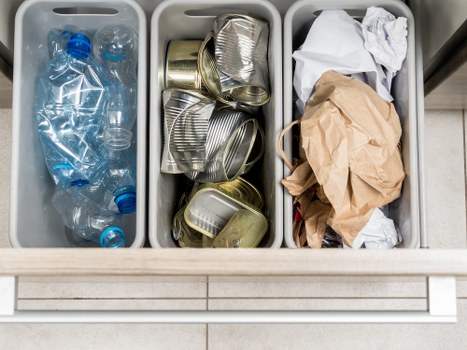
Commercial waste should not be regarded as a single mixed mass if there are clear opportunities to sort useful material from general rubbish. Paper, cardboard, some plastics, reusable furniture components and certain metal items can often be separated before disposal. Doing so supports more efficient handling and helps reduce the volume of material that ends up in the least suitable route.
We also recognise that many businesses want a clearer picture of how the removal process is managed after loading. That is one reason our pages on recycling and sustainability and insurance and safety may be useful if you are reviewing the wider framework around collections. These pages do not replace the need for a proper waste description, but they can help customers understand the practical and procedural side of the service.
Commercial clients often prefer to know in advance whether their waste contains anything that will need extra checking. A simple note on broken glass, sharp edges, confidential papers, heavy items or mixed fittings can save time later. If the material includes documents rather than ordinary rubbish, the confidential shredding page is the right reference point, because paperwork and general waste should not be treated in the same way.
Office and premises clear-outs after changes or reorganisation

When a workplace changes layout, reduces storage or replaces old fittings, the waste left behind is often more awkward than ordinary day-to-day rubbish. Filing units, redundant chairs, surplus shelving, display pieces and stockroom overflow can all take up space that is needed for new equipment or a revised floor plan. A clearance service makes sense when the aim is to recover usable room without placing the burden on staff to sort and carry everything themselves.
For office environments in particular, the order of removal can matter almost as much as the total volume. Furniture may need to come out before general waste can be reached, and smaller material may need to be bagged or boxed so it can be loaded safely. If a business is moving out or reorganising a workspace, the linked home clearance and house clearance pages are not the right commercial fit, but they illustrate the kind of mixed-item removal that can also be adapted to non-domestic properties where appropriate.
Good clearances are planned around the site, not around guesswork. That is why a practical description of rooms, access and item types is usually better than a general request to “clear everythingâ€. If there are delicate fittings, confined corridors or restricted loading times, those points should be mentioned early. It helps shape the collection rather than complicating it later.
Typical commercial waste categories
Most business clearances involve several familiar categories rather than one single type of waste. These may include general office rubbish, cardboard and packaging, obsolete furniture, damaged display items, shelves, storage units, surplus stock, lightweight fixtures and bagged refuse from staff areas. Depending on the premises, there may also be larger items from break rooms, storage rooms or customer-facing spaces.
- Office furniture such as desks, chairs and cabinets
- Packaging, cardboard and non-sensitive paper waste
- Shop fittings, light displays and storage equipment
- General rubbish from back-of-house or stock areas
- Appliances or bulky items that need separate checking
There is no need to overcomplicate the first enquiry. A note that explains the item mix, rough quantity and any access points is usually enough to begin. If the waste is spread across several spaces, it may be helpful to mention that too, because collections from a single storeroom are handled differently from a broader premises clearance. For larger or more varied jobs, the pricing and quotes page can help customers think about what information is useful when comparing the likely work involved.
About Chiswick
Chiswick is a district in west London, lying within the London Borough of Hounslow and stretching along a broad bend of the River Thames. Its riverside setting has long shaped the area, with historic streets running inland from the waterfront and green spaces giving it a distinct suburban character. Chiswick House and its gardens remain among the best-known landmarks, representing the area’s association with Georgian design and landscaped grounds. The district also includes parts of the historic High Road and the older village core around Turnham Green, where layers of development can still be read in the street pattern and building styles. Chiswick has a strong identity formed by river, road and rail links, and by the way residential streets sit alongside busy local commerce and established neighbourhood facilities. The area is also known for its parks and open spaces, including the wide riverside walks and the green expanse of Chiswick House and Gardens, which provide a contrast to the busier commercial streets. Cultural life has been influenced by theatres, independent shops, cafés and the practical role the district has played as a west London residential centre for many years. Nearby sections of the Thames towpath and the older road corridors help connect Chiswick to neighbouring parts of west London while preserving a recognisable local character. As a result, the district feels both urban and spacious, with a mixture of heritage, recreation and everyday local use that continues to define its place in the city.
Waste from shops, hospitality and shared business spaces
Some of the most varied commercial waste comes from customer-facing premises, where stock rotation, refurbishment and seasonal changes can leave behind a mixture of display material and discarded fittings. Shops may need shelving, rails, packaging and damaged stock removed together, while cafés, studios and shared workspaces may generate furniture, kitchen-area waste or redundant storage items. The main task is to keep the process orderly so the usable parts are not lost among general rubbish.
Businesses that operate in buildings with shared access or mixed occupancy often benefit from collections that are planned with their neighbours in mind. Careful timing, clear loading arrangements and sensible sorting reduce the chance of inconvenience. Where there is a need to clear out a branch or a leased unit, it is sensible to review the relevant property and service pages before asking for a quotation. The about us page gives a general company overview, while contact us is the final step when you are ready to discuss the job in detail.
If you are arranging a quote for a shop, office or mixed-use space, the most useful thing you can send is a concise description of the load and the access. A few well-chosen details are often enough to begin. Use the enquiry route that suits you, and we can take it from there.
Choosing the right disposal route for your premises
Not all commercial waste needs the same handling, which is why it helps to separate standard rubbish from items that are bulky, electrical, sharp, confidential or potentially hazardous. A mixed business load may include several waste streams at once, and each one can carry different handling requirements. Sorting them properly at the outset reduces confusion and makes the disposal process more straightforward.
Where specialist categories are involved, it is better to check the relevant route than to assume everything can be placed in one collection. The page on hazardous waste disposal is the appropriate reference for anything that needs additional care, while what can go in a skip offers another way to think about acceptable material categories, even if a skip is not the chosen method here. That kind of comparison can be useful when a customer is deciding how to prepare the waste.
For most businesses, the simplest approach is a clear description, one point of contact and a collection arranged around the reality of the site. If there is a deadline attached to the work, say so plainly. If the waste is spread across multiple rooms or floors, say that too. Practical detail is always more useful than a long explanation, especially when the aim is simply to get the job done efficiently.
Requesting a quotation for commercial waste in Chiswick
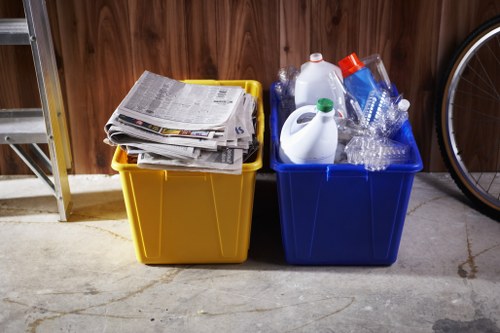
A good quotation usually starts with three things: the type of waste, the approximate quantity and any access considerations. If you can also mention whether the material includes furniture, appliances, paper records or bulky fittings, that helps shape the estimate further. Businesses do not need to prepare a perfect inventory, but the more accurate the description, the easier it is to match the work to the right collection.
For customers who want to keep the process simple, one short summary is enough to begin. Mention the premises type, the main items to be removed and whether the job is a single collection or part of a broader clear-out. If you are comparing service options, the book online page offers one route to proceed, while pricing and quotes is the best place to focus on quotation-related information before making a decision.
When you are ready, send the details and ask for a quotation. We will use the information to assess the work properly, keep the arrangement straightforward and help you move the waste out of the way without unnecessary delay. If the load includes anything unusual, mention it in the same message so it can be considered from the start.