Recycling and Sustainability for Commercial Waste Chiswick
Commercial Waste Chiswick must be handled with a commitment to the environment and the local community. This page outlines how an eco-friendly waste disposal area and a thriving sustainable rubbish area can be created across businesses, landlords and property managers. By adopting clear separation, reuse partnerships and low-emission collections we can reduce landfill, support local charities and improve the area's carbon profile.Chiswick's approach to commercial waste in Chiswick is grounded in practical steps: clear segregation of paper, cardboard, glass, food and general waste; use of local drop-off points; and frequent audits to measure progress. Our target is to move beyond incremental change to measurable results — a collective ambition that aligns with borough sustainability goals while reflecting the unique mix of retail, office and hospitality waste streams in the area.
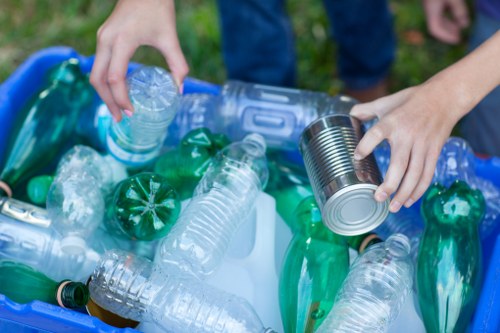 An explicit recycling percentage target helps focus action. For the Chiswick commercial waste sector we are proposing a 65% recycling rate for non-domestic waste by 2030, with interim milestones of 50% by 2026. These targets are achievable through improved segregation at source, dedicated recycling bins for businesses, and regular training for frontline staff. Monitoring will be reported quarterly so progress remains transparent and responsive to seasonal demand.
The network of local transfer stations and nearby West London depots plays a vital role in making an eco-friendly waste disposal area function reliably. Collections from Chiswick are consolidated at borough transfer facilities and routed to specialised sorting centres where material is separated further. Using transfer stations reduces vehicle mileage by enabling larger compound loads and quicker turnaround times for collection vehicles, which directly supports a lower-carbon supply chain for waste movements.
Low-Carbon Vans and Fleet Strategy
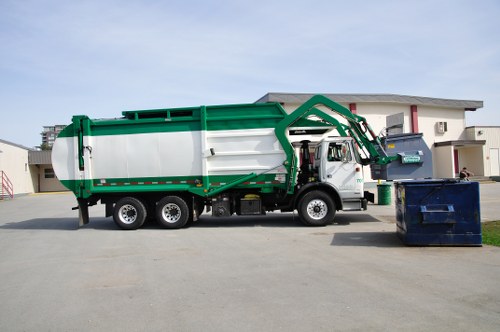
To serve Chiswick's businesses we recommend a mixed fleet of electric and hybrid low-carbon vans supplemented by Euro-6 compliant vehicles for heavier loads. Transitioning to electric collection vans for short urban rounds reduces noise, emissions and improves air quality on high streets like Chiswick High Road. Fleet telematics and route optimization further cut miles, while scheduled consolidation points near transfer stations lower empty running and boost efficiency.The boroughs' approach to waste separation encourages businesses to adopt simple, clear containers: labelled bins for cardboard, paper, cans and glass; sealed organics caddies for food waste; and compactors or balers for high-volume traders. Chiswick commercial waste schemes can replicate these measures with dedicated commercial recycling audits and incentive programmes to reward consistent performance. Examples of relevant activities include dry mixed recycling, food waste collections for anaerobic digestion, and secure shredding for confidential documents.
Partnerships with local charities and reuse organisations are essential for a truly sustainable rubbish area. Instead of consigning usable items to landfill, businesses in Chiswick should be supported to donate surplus furniture, textiles and working electronics to vetted charities and social enterprises. These collaborations extend product life, create community benefit and reduce the carbon footprint of procurement by keeping goods in circulation longer.
Practical Recycling Activities and Borough Coordination
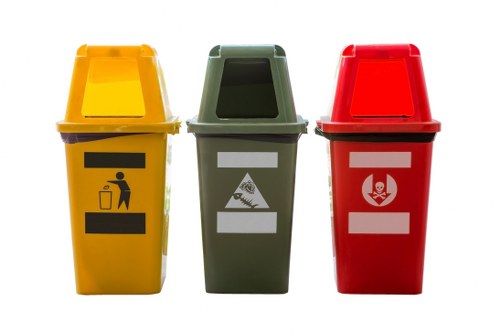
Light recycling activities that work well in the area include reverse logistics for takeaway packaging, mattress and bulky waste reuse schemes, and targeted collection of WEEE (Waste Electrical and Electronic Equipment) from offices. Borough coordination means consistent labeling, shared marketing for recycling campaigns and aligned waste charges that promote reuse over disposal. These measures help maintain an organised, >eco-friendly waste disposal area< across adjacent neighbourhoods, improving compliance and recycling rates.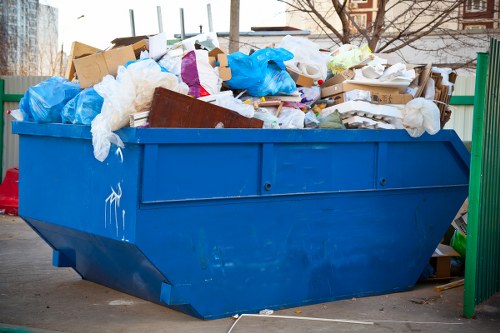 To embed sustainability in every collection, Chiswick's commercial waste plans should include ongoing training, clear KPIs and collaborative planning with property managers. Businesses will be asked to supply accurate waste profiles and participate in regular reviews so the service can adapt. Together, low-carbon delivery, efficient use of local transfer stations, charity partnerships and a formal recycling percentage target will transform the commercial waste landscape into a resilient, circular model.
