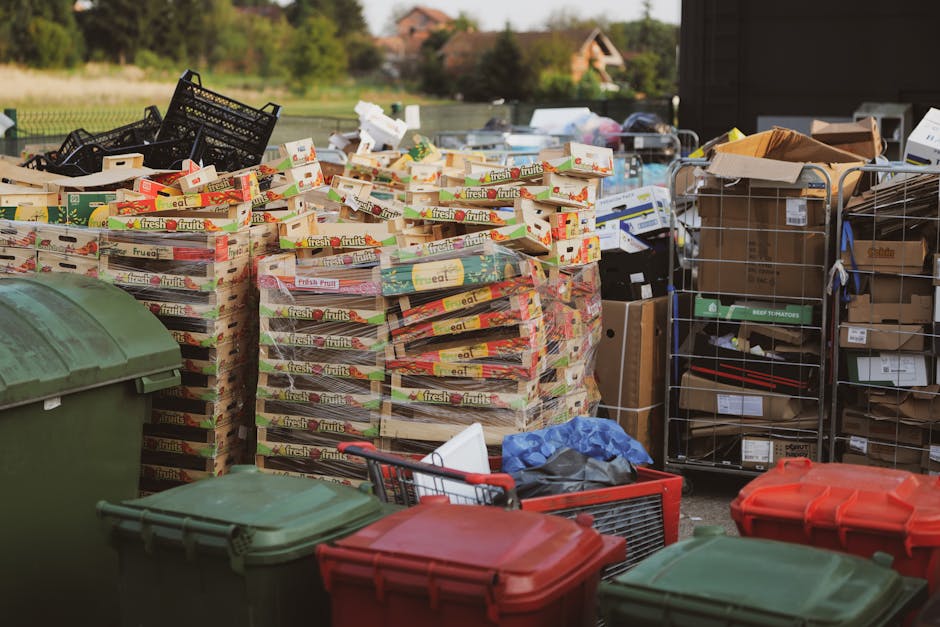
Avoid hidden fees in Chiswick rubbish disposal quotes
If you have ever compared a few rubbish removal prices and felt that tiny knot in your stomach, you are not alone. A quote can look neat and reasonable at first glance, then suddenly grow legs once access issues, heavy items, or extra labour are added. That is exactly why learning how to avoid hidden fees in Chiswick rubbish disposal quotes matters. In a busy part of West London, where flats, tight parking, and mixed household or commercial waste are all part of normal life, a clear quote saves money, time, and a fair bit of frustration.
This guide walks through what hidden fees usually look like, how to spot them before they appear, and which questions are worth asking before you book. You will also find a practical checklist, a simple comparison table, and a few real-world examples that make the whole thing easier to judge. Let's keep it straightforward. No fluff, no nonsense.
Quick takeaway: the best way to avoid surprise charges is to insist on a quote that explains what is included, what could change the price, and how any extras are approved before collection.
Contents
- Why it matters
- How the quoting process works
- Key benefits and practical advantages
- Who this is for and when it makes sense
- Step-by-step guidance
- Expert tips for better results
- Common mistakes to avoid
- Tools, resources and recommendations
- Law, compliance, standards and best practice
- Options and comparison table
- Case study or real-world example
- Practical checklist
- Conclusion
- Frequently asked questions
Why Avoid hidden fees in Chiswick rubbish disposal quotes Matters
Hidden fees are more than an irritation. They can distort the whole decision. A low headline price may look like a bargain, but if it excludes stair carry, congestion-related delays, bulky waste handling, or item-specific disposal, the final bill can be much higher than expected. And to be fair, most people are not trying to micromanage a waste job. They just want the pile gone and the price to stay close to what was promised.
In Chiswick, the risk is often practical rather than dramatic. Think narrow roads, permit-like parking pressure, upper-floor flats, shared entrances, rear access through alleys, or a van that cannot stop right outside the property. None of that is unusual, but it does need to be priced properly. If it is not discussed upfront, you may be left debating what counts as "reasonable extra work" after the team arrives. Nobody enjoys that conversation at the kerbside with a full bin bag in hand.
It also matters because waste jobs often happen under time pressure. House moves, refurbishments, office clear-outs, or end-of-tenancy work rarely leave room for long disputes. A transparent quote gives you confidence to compare providers fairly, and it reduces the chance of a service delay caused by last-minute renegotiation. That peace of mind is worth a lot, honestly.
For larger or mixed loads, you may also want to compare the quote with broader service pages such as waste removal or more specific options like builders waste clearance. The right service type often helps the quote stay cleaner and easier to understand.
How Avoid hidden fees in Chiswick rubbish disposal quotes Works
The process is simple in principle: a provider estimates the cost based on what you need removed, how much there is, where it is located, and what type of waste it is. The trouble starts when any of those details are left vague. A clear quote should explain the assumptions behind the price. If it does not, hidden fees can creep in later.
Most honest quotes are built from a few moving parts:
- Volume: how much rubbish there is, often measured visually or by load size.
- Weight or density: especially relevant for rubble, soil, or heavy mixed waste.
- Access: stairs, lifts, long carry distances, or restricted parking.
- Waste type: ordinary household waste is different from appliances, mattresses, confidential materials, or hazardous items.
- Labour: whether the team only loads from outside or needs to carry everything from inside the property.
- Disposal route: some loads require sorting, recycling, or specialist handling.
That is the basic shape of it. The quote is not just a number; it is a bundle of assumptions. If the assumptions are wrong, the price changes. If the assumptions are clear, you can make a decent comparison between providers.
For example, a straightforward garage clearance is one thing. A third-floor flat clearance with a broken sofa, a fridge, and several black bags is another matter entirely. You can see why those jobs do not belong in the same price bucket. If your load includes furniture, you may find the dedicated pages for furniture disposal or mattress and sofa disposal useful when checking what is likely to affect the price.
One small but important point: a transparent provider should tell you before collection if something falls outside the original estimate. That gives you the chance to approve, amend, or cancel without surprise. Simple, but crucial.
Key Benefits and Practical Advantages
A clear, no-surprises quote is not only about saving money. It helps the whole job run better.
- Better budgeting: you know the likely total before anyone turns up.
- Cleaner comparisons: you can compare like with like instead of chasing the cheapest headline figure.
- Fewer disputes: less haggling on the day, which is a relief for everyone.
- Faster turnaround: the crew can get on with the work rather than renegotiating terms at the door.
- Better planning: you can decide whether to split the job, remove extra items, or choose a different service.
- More trust: transparent pricing usually reflects a more organised operation overall.
There is also a practical side many people overlook. When a quote is properly explained, you can trim waste volume before collection. That means taking apart furniture, separating recyclable items, or moving useful items into a separate donation pile. It sounds small, but it can change the quote meaningfully. A few minutes with a screwdriver and an extra bag label can save real money. Not glamorous, but effective.
For business customers, the benefit is even sharper. Time spent challenging a vague invoice is time not spent on operations. If your office or shop needs a regular clean-out, exploring business waste removal or office clearance can make pricing easier to standardise across repeat jobs.
Who This Is For and When It Makes Sense
Truth be told, almost anyone booking rubbish removal can benefit from better quote checks. But it is especially useful if your clearance is likely to be more complex than a few bags at the kerb.
- Homeowners clearing out lofts, garages, sheds, or spare rooms
- Tenants preparing for end-of-tenancy handover
- Landlords handling short-notice clearances
- Office managers dealing with desks, chairs, and confidential papers
- Tradespeople needing reliable builders waste pricing
- Small businesses moving premises or replacing furniture
- Anyone with bulky, awkward, or specialist items
If your job involves tight access, basement storage, upper floors, or mixed waste streams, that is usually where hidden fees show up. A decent provider will want to know this early. If they do not ask questions, that is not always a good sign. Sometimes they are just busy. Sometimes they are underestimating. You want the first explanation, not the second.
It also makes sense when you are choosing between disposal methods. For example, if your load is all garden debris, garden clearance may be a better fit than a generic waste job. If you are removing a few bulky items from a flat, flat clearance can be easier to quote accurately.
Step-by-Step Guidance
Here is a practical way to reduce the chance of hidden extras before you book anything.
- List everything that needs to go. Do not bundle items into a vague "mixed rubbish" description if you can avoid it. Make a quick list. Include awkward pieces too.
- Note access details. How many stairs? Is there a lift? Can a van stop nearby? Is parking likely to be tight? These details affect labour time.
- Separate special items. Fridges, freezers, mattresses, sofas, confidential materials, and potentially hazardous waste may need separate handling.
- Ask what is included in the quote. Collection, loading, labour, recycling, disposal, and VAT should all be clear where relevant.
- Ask what could change the price. This is a key one. A serious provider should explain the circumstances that trigger a revised quote.
- Request approval before extras are added. No one likes surprise charges at the end of the job.
- Check the service terms. Look for cancellation rules, payment terms, and what happens if the job changes on arrival.
- Confirm the booking details in writing. A message or email trail can prevent misunderstanding later.
A useful habit is to take a few photos of the waste from different angles. Nothing fancy. Just enough to show scale, access, and item type. You would be surprised how often this prevents crossed wires. And yes, sometimes the "small pile" turns out to be less small when viewed beside a doorway.
If you are booking online, check whether the provider has clear payment information too. A page like payment and security can be a helpful sign that they are organised about billing as well as collection.
Expert Tips for Better Results
Here are the little things that tend to make the biggest difference.
- Ask for an itemised explanation, not just a total. A "fixed price" is only useful if you know what it covers.
- Be honest about awkward items. Hiding a broken appliance or a heavy bath panel rarely ends well.
- Check whether recycling is built into the service. Sorting and recycling can influence both cost and value.
- Measure big items roughly. A sofa, wardrobe, or appliance can change the estimate more than people expect.
- Ask how access affects labour time. A ground-floor pickup and a fifth-floor carry are not the same job. Obvious, but worth saying.
- Clarify the difference between waste removal and specialist disposal. Some items need different handling paths, especially appliances or hazardous materials.
Another practical tip: if you can consolidate your rubbish into one clear loading area, the final price is often easier to keep stable. That is especially true in homes with a hallway full of boxes, a bit of dust, and three separate piles that all "sort of" need to go. The more organised the setup, the less room there is for interpretation.
For larger furniture jobs, services such as furniture clearance or house clearance can be useful because the work is framed more clearly from the start. Clarity is doing a lot of heavy lifting here, and that is not a pun, although it nearly is.
Common Mistakes to Avoid
Most price surprises come from a short list of avoidable mistakes. The good news is they are easy to spot once you know what to look for.
- Choosing the lowest headline price without checking the details. It is the oldest trap in the book.
- Leaving access details out of the enquiry. Stairs, distance, parking, and door width can all matter.
- Assuming all waste is treated the same. It is not.
- Forgetting about appliances or specialist items. A fridge or freezer may need separate handling, which can affect the quote.
- Not asking about VAT or added charges. If it is not mentioned, ask.
- Not confirming the scope of the job. "A bit of rubbish" is too vague. Helpful to humans, not so helpful to pricing.
- Changing the load after the quote without checking first. Additions can alter the estimate, sometimes materially.
A common one, especially in homes, is underestimating how much waste has actually accumulated. Loft spaces, garage corners, and the back of a utility room have a way of growing into proper projects. You open the door thinking "two bags and an old chair," then the smell of damp cardboard and forgotten packaging tells a slightly different story. Happens all the time.
If you are dealing with appliances or large hard-to-move pieces, look at the dedicated pages for fridge and appliance removal and mattress and sofa disposal. Special items are where many hidden fees start to appear, so it helps to name them upfront.
Tools, Resources and Recommendations
You do not need fancy software or a complicated spreadsheet to keep costs under control. A few simple tools are enough.
- Phone camera: take clear pictures of the waste and the access route.
- Short written inventory: a plain list of items is often better than trying to describe everything in one sentence.
- Rough room-by-room scan: useful for home, loft, and flat clearances.
- Quotes comparison notes: write down what each provider includes, not just the headline number.
- Terms and conditions: read the parts about exclusions, payment, cancellation, and changes on arrival.
There are also service pages that can help you match the job to the right clearance type. For instance, garage clearance is helpful when the clutter is mostly stored, bulky, and easy to collect in one go. loft clearance is often better when access is harder and the waste is mixed. Matching the service to the job can prevent vague pricing.
Where sustainability matters to you, it is worth asking how recyclable materials are handled. A page like recycling and sustainability can be a useful indicator that the provider thinks beyond simple collection. That does not guarantee the cheapest service, but it often signals a more considered one.
Law, Compliance, Standards and Best Practice
When rubbish removal is involved, pricing is only part of the picture. You also want the service to be handled properly. In the UK, waste must be dealt with responsibly, and commercial operators should follow the relevant rules around waste handling, transport, and disposal. You do not need to become a compliance expert yourself, but you should expect professionalism.
Best practice usually looks like this:
- Waste types are described clearly before collection.
- Special items are identified early.
- The customer understands what the quoted price includes.
- Any price change is explained before work continues.
- Payments are handled securely.
- The provider has sensible safety and insurance arrangements in place.
If you are arranging work for a business, extra care is sensible around confidential material, site safety, and waste segregation. Pages such as confidential shredding, health and safety policy, and insurance and safety can help reassure you that these matters are being treated seriously.
For specialist or potentially risky waste, always be precise. Hazardous materials should not be bundled casually into a general clearance. If your job includes anything uncertain, it is better to ask before booking than to sort it out on the pavement later. That may sound obvious, but you would be amazed how often it gets missed.
Options, Methods, or Comparison Table
Here is a simple comparison of common ways people approach rubbish disposal quotes in Chiswick.
| Option | Best for | Risk of hidden fees | What to check |
|---|---|---|---|
| Vague phone estimate | Very small, simple loads | Higher | Ask what is included, and what changes the price |
| Photo-based quote | Mixed household or office waste | Medium | Confirm access, item types, and labour assumptions |
| Itemised fixed quote | Clearances with bulky or specialist items | Lower | Check exclusions and approval process for extras |
| Service-specific quote | Jobs like builders waste, flat clearances, or appliance removal | Lower | Make sure the service matches the waste type |
In practice, the best option is usually the one that makes the pricing assumptions visible. If the provider can explain the quote without sounding defensive or slippery, that is a good sign. You want calm confidence, not a sales script that keeps dodging the obvious question.
Case Study or Real-World Example
Imagine a small flat in Chiswick with a hallway stack of cardboard, an old armchair, a bedside table, two black bags, and a fridge in the kitchen. The owner asks for a "quick rubbish collection" and receives a rough price. At first glance it sounds fine.
Then the practical details emerge. The flat is on an upper floor, the lift is too small for the fridge, parking is awkward, and the fridge needs separate handling. Suddenly the original quote no longer fits the reality of the job. If those details were not discussed in advance, the customer may feel misled. The provider may feel the quote was only a starting point. That gap is where hidden fees often live.
Now compare that with a better approach. The customer sends photos, mentions the fridge, confirms the floor level, and notes that parking is limited. The provider explains what is included, what could change, and how any extra labour would be approved. The final figure may be higher than the first rough guess, but it is far less likely to become a surprise. In the end, that is usually the cheaper route because it avoids awkward revisions and wasted time.
This is why a good quote is really a planning tool. It should help you understand the job before anyone lifts a thing.
Practical Checklist
Use this checklist before confirming a rubbish disposal quote in Chiswick.
- Have I listed every item that needs removing?
- Have I mentioned stairs, lifts, parking, and access issues?
- Have I identified bulky, heavy, or specialist items?
- Do I know what the quote includes?
- Do I know what could make the price change?
- Have I asked about VAT or any extra charges?
- Have I checked the cancellation or amendment policy?
- Have I asked how payment is taken?
- Do I know whether recycling or sorting is included?
- Have I confirmed the quote in writing where possible?
If you can tick most of those off, you are in a much better position. No system is perfect, but this gets you a long way toward a fair, transparent job.
Get a free quote today and see how much you can save.
Conclusion
Avoiding hidden fees in rubbish disposal quotes is mostly about clarity, honesty, and a few good questions asked at the right time. You do not need to overcomplicate it. Just make the waste visible, the access details clear, and the pricing assumptions explicit. That alone removes a lot of the usual friction.
For Chiswick homes and businesses alike, the most reliable quote is usually not the lowest one at first glance. It is the one that makes sense end to end. Once you know what is included, what might change, and how extras are handled, you can book with confidence instead of crossing your fingers. And that feels better. Much better.
When the job is handled properly, the whole place feels lighter - quieter too, somehow. A cleared room, a clean landing, an empty corner. Simple things, but they make a difference.
Frequently Asked Questions
What are the most common hidden fees in rubbish disposal quotes?
The most common surprise charges usually come from access problems, extra labour, bulky or specialist items, and waste that was not included in the original description. The quote may also change if the load is bigger than expected or if certain items need separate handling.
How do I know if a quote is genuinely fixed?
A genuinely fixed quote should explain what it covers, what it excludes, and whether any change requires your approval first. If the price sounds fixed but the wording is vague, ask for clarification before booking.
Should I send photos before accepting a quote?
Yes, photos are one of the easiest ways to reduce misunderstandings. A few clear pictures can show the volume of waste, the type of items, and the access route. It is a small effort that often saves a lot of hassle.
Do stairs always increase the price?
Not always, but stairs often affect labour time and effort, especially on upper floors or where large items need to be carried by hand. The provider should explain how access affects the quote rather than springing it on you later.
Are appliance removals more expensive?
They can be, because appliances may need different handling, transport, or disposal arrangements. A fridge, freezer, or similar item should be mentioned early so the quote reflects the actual job.
What should be included in a rubbish disposal quote?
Ideally, the quote should cover collection, loading, labour, and disposal details, along with any assumptions about access or item type. If VAT or other charges apply, those should also be made clear.
Is the cheapest quote usually the best choice?
Not necessarily. A very cheap quote can be fine, but if it is missing important details, it may become more expensive later. A transparent quote is often better value than a vague bargain.
How can I reduce the cost of a clearance job?
Sort the waste beforehand, separate special items, make access clear, and remove anything you want to keep. If you can safely break down bulky furniture, that may also help keep the job simpler and cheaper.
What if the team finds more rubbish than I described?
A good provider should explain the difference and seek approval before changing the price. It is reasonable for the quote to change if the job is materially different, but that change should not be a surprise.
Are business waste quotes different from household quotes?
Often, yes. Business waste can involve regular collections, confidential materials, site access issues, or larger volumes. For that reason, a business quote may need more detail and a slightly different pricing structure.
Should I worry about recycling and disposal standards?
Yes, in a sensible way. You do not need to manage the process yourself, but you should expect a provider to handle waste responsibly and explain how recyclable or specialist items are treated.
What is the best question to ask before booking?
Ask this: "What exactly is included in the quote, and what could change the final price?" It is a simple question, but it tends to reveal whether the provider is clear and trustworthy.
Learn more about the team behind our service approach if you want a better sense of how a straightforward, customer-first clearance process should feel.